

The C-suite has a new power player, and the hiring competition is fierce.
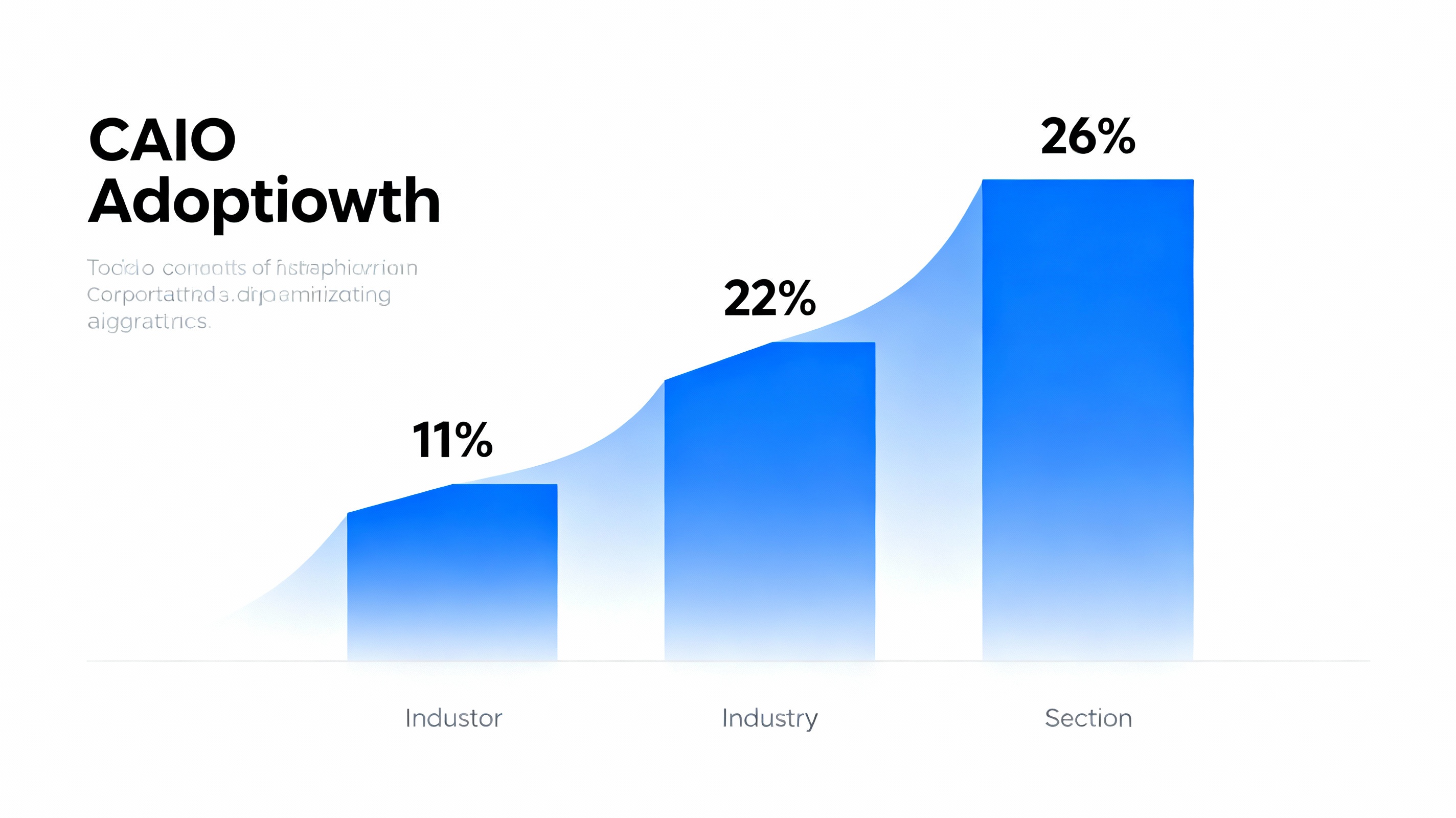
LinkedIn reports that the number of Chief AI Officers has tripled over the past five years. According to IBM's 2025 global study, 26% of organizations now have a CAIO—up from just 11% two years ago. And the pace is accelerating: estimates suggest over 40% of Fortune 500 companies will have a Chief AI Officer by 2026.
For boards navigating this new landscape, the questions are urgent: Do we need a CAIO? Where do we find one? And how do we compete for talent in a market where compensation packages routinely exceed $1 million?
The Business Case for a CAIO
The data makes a compelling argument. Organizations with a CAIO report approximately 10% higher ROI on AI investments compared to those without dedicated AI leadership.
This matters because most AI initiatives fail. Despite 78% of companies using AI in at least one business function, 88% of AI pilots never reach production. The CAIO role exists to close that gap—turning experimental technology into operational value.
The position has gained particular traction in specific sectors:
- Technology: 37% of companies have at least one AI-focused executive
- Healthcare: Major organizations including Mayo Clinic, UnitedHealth, and GE Healthcare have appointed CAIOs
- Financial Services: JPMorgan Chase leads among banking institutions
- Retail: Walmart and other major retailers have established AI leadership
Nearly half of the FTSE 100 now have a CAIO or equivalent AI leader, with most of those hires made in just the last two years.
What Boards Are Actually Looking For
The CAIO search is different from traditional technology executive recruitment. Executive search firms report that clients aren't simply looking for technical expertise—they want strategic leaders who can:
Commercialize AI: Translate technology capabilities into business value, demonstrating ROI that justifies continued investment.
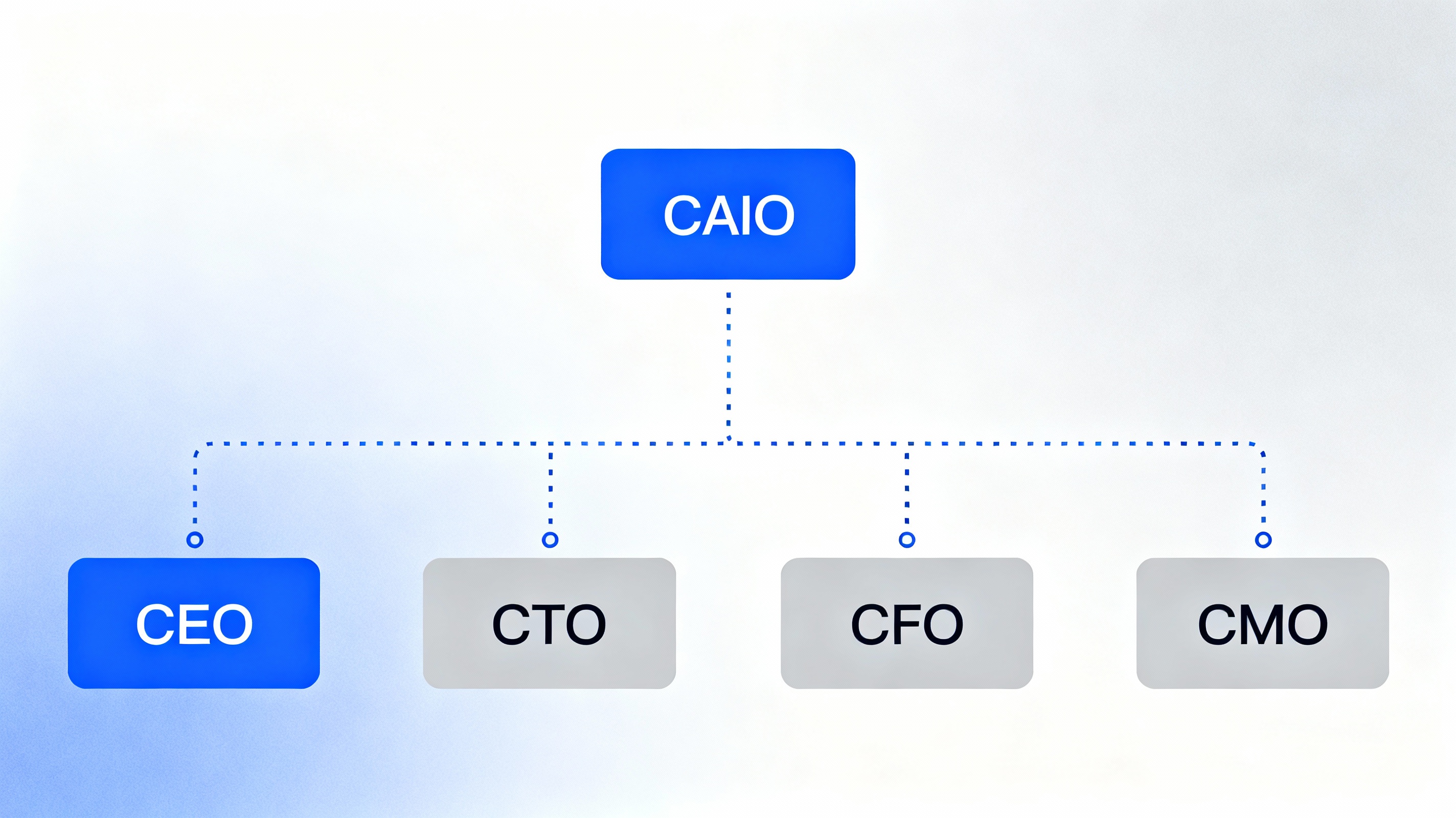
Bridge Silos: The CAIO role is inherently cross-functional, partnering with CIOs on infrastructure, CHROs on workforce transformation, CMOs on customer experience, and CFOs on risk management.
Navigate Governance: With AI regulation evolving rapidly (including the EU AI Act's new requirements), CAIOs must balance innovation with compliance.
Build Trust: AI adoption requires organizational buy-in. Effective CAIOs communicate with non-technical stakeholders and address concerns about job displacement and ethical use.
The candidate pool reflects this breadth. More than 60% of current CAIOs have been at their company for less than two years—indicating external hiring is the norm. Successful candidates often come from nontraditional backgrounds: data science leaders, product executives, and digital transformation officers who have led real-world AI deployments.
Reporting Structure Matters
When AI is a core business differentiator, more than half of CAIOs report directly to the CEO or board. This positioning signals strategic importance and provides the authority needed to drive cross-functional initiatives.
For organizations where AI is primarily an operational efficiency tool, the CAIO may report to the CTO or COO. But as AI becomes increasingly central to competitive strategy, the trend points toward CEO-level reporting relationships.
Boards evaluating the right structure should consider:
- Strategic Centrality: Is AI a product differentiator or an internal efficiency tool?
- Investment Scale: Larger AI investments typically warrant direct board oversight
- Cross-Functional Scope: CAIOs driving enterprise-wide transformation need C-suite authority
- Risk Profile: High-stakes AI applications (healthcare, financial services) require board visibility
The Compensation Reality
The market for AI executive talent has become extraordinarily competitive. While CAIO compensation varies by organization size and industry, packages routinely exceed $1 million at major enterprises—and the top end can reach far higher.
This reflects a fundamental supply-demand imbalance. AI talent demand exceeds supply by 3.2:1 globally, with over 1.6 million open positions and fewer than 520,000 qualified candidates. At the executive level, the scarcity is even more acute.
For boards, this creates difficult trade-offs:
- Pay Market Rates: Competitive compensation attracts top talent but may create internal equity challenges
- Develop Internal Candidates: Building AI leadership from within takes time many organizations don't have
- Consider Fractional Options: Some companies use interim or part-time AI leaders to bridge gaps while developing long-term solutions
What Success Looks Like
Before launching a CAIO search, boards should clarify what success means for their organization. Effective CAIOs are measured on:
Business Impact: Revenue from AI-enabled products, cost savings from operational improvements, or competitive advantages gained.
Deployment Success: Moving AI from pilot to production—the 88% failure rate means execution capability matters.
Governance Maturity: Building frameworks for ethical AI use, data privacy, and regulatory compliance.
Talent Development: Creating AI literacy across the organization and building technical teams that can sustain momentum.
Organizations that define these outcomes clearly before beginning their search are better positioned to evaluate candidates against actual business needs rather than general AI enthusiasm.
The Path Forward
The CAIO role represents a fundamental shift in how organizations approach AI—from decentralized experimentation to coordinated strategy. For boards, the key decisions are:
Timing: The competitive advantage window is narrowing. Early CAIO adopters are already building organizational capabilities that will be difficult to replicate.
Profile: Prioritize business acumen and cross-functional leadership over pure technical expertise. The best CAIOs translate technology into value.
Integration: Consider how the CAIO will work with existing technology leadership (CIO, CTO) and business unit heads. Role clarity prevents organizational friction.
Expectations: Set realistic timelines for AI impact. Even exceptional CAIOs need 12-18 months to build the foundations for sustained value creation.
As AI moves from experimental technology to business necessity, the CAIO has emerged as a defining executive role. Organizations that recruit effectively—and position the role for success—will be best equipped to capture AI's transformative potential.
---
Considering a CAIO hire or evaluating your AI leadership structure? [Contact GracePeak](/contact) to discuss how we help boards navigate executive search in the AI era.