

The data reveals a striking contradiction in CEO hiring.
While 69% of CEO candidates who get hired have prior CEO experience, 85% of incoming CEOs in 2024 were first-time chief executives. Boards clearly prefer proven CEOs—but most end up hiring leaders who've never held the title.
Understanding this paradox is essential for boards managing succession and executives aspiring to the corner office.

The Supply-Demand Mismatch
The paradox exists because the supply of experienced CEOs is fundamentally limited:
The Math Problem
There are approximately 500 CEO positions in the S&P 500 and several thousand at major companies globally. Average CEO tenure is declining, but still measured in years. At any given moment, only a small fraction of current CEOs are available or interested in new roles.
When a board searches for a sitting CEO to lead their company, they're competing for an extremely small pool:
- Many current CEOs are committed to their existing companies
- Those who are available command premium compensation and terms
- Cultural and strategic fit further narrows viable candidates
- Geographic constraints eliminate additional options
The Experience Premium
When boards can find experienced CEOs who fit, they strongly prefer them. Prior CEO experience signals:
- Proven ability to handle the unique pressures of the role
- Board and investor relations fluency
- Experience with ultimate accountability and decision authority
- Understanding of CEO-specific challenges (loneliness, scrutiny, pace)
This explains why 69% of hires have prior experience—when available, it's highly valued.
The First-Timer Reality
But availability constraints mean 85% of appointments go to first-time CEOs. This isn't boards settling for second-best—it's the mathematical reality of executive markets.
What First-Time CEOs Get Right
First-time CEOs bring distinct advantages:
Fresh Perspective
Leaders who haven't been CEOs elsewhere aren't constrained by "how we did it at my last company." They evaluate their new organization with fresh eyes and may see opportunities that experienced CEOs would overlook.
Institutional Knowledge
Most first-time CEO appointments are internal promotions. These leaders understand the company's culture, operations, and relationships in ways external hires—regardless of CEO experience—cannot match.
Energy and Ambition
First-time CEOs are often at peak career motivation. They're building their legacy, proving their capability, and establishing their leadership identity. This energy can drive transformation that experienced CEOs—who may be later in their careers—might not pursue.
Performance Data
Spencer Stuart found that "leapfrog leaders"—those promoted from below the C-suite—constituted the largest percentage of top-performing CEOs at 41.2%. First-time CEOs can outperform their experienced counterparts when properly supported.
The First-Time CEO Risk Profile
First-time CEOs also face distinct challenges:
The #1 vs. #2 Transition
The psychological shift from chief operating officer or divisional leader to CEO is significant. As #2, you have support, a boss to consult, and shared accountability. As CEO, you're alone. First-time CEOs often underestimate this transition's difficulty.
Board Relationship Learning Curve
Navigating the CEO-board relationship takes experience. First-time CEOs must quickly learn:
- When to inform vs. seek approval
- How to manage board dynamics and individual directors
- Executive session expectations and norms
- The line between board governance and management
External Stakeholder Complexity
CEOs face external constituencies—investors, media, regulators, community leaders—that other executives rarely engage at the same intensity. First-time CEOs must rapidly develop these muscles.
Crisis Management Under Spotlight
Every CEO faces crises. First-time CEOs face their first crisis without the pattern recognition that prior experience provides. The stakes are high, and learning on the job is visible.
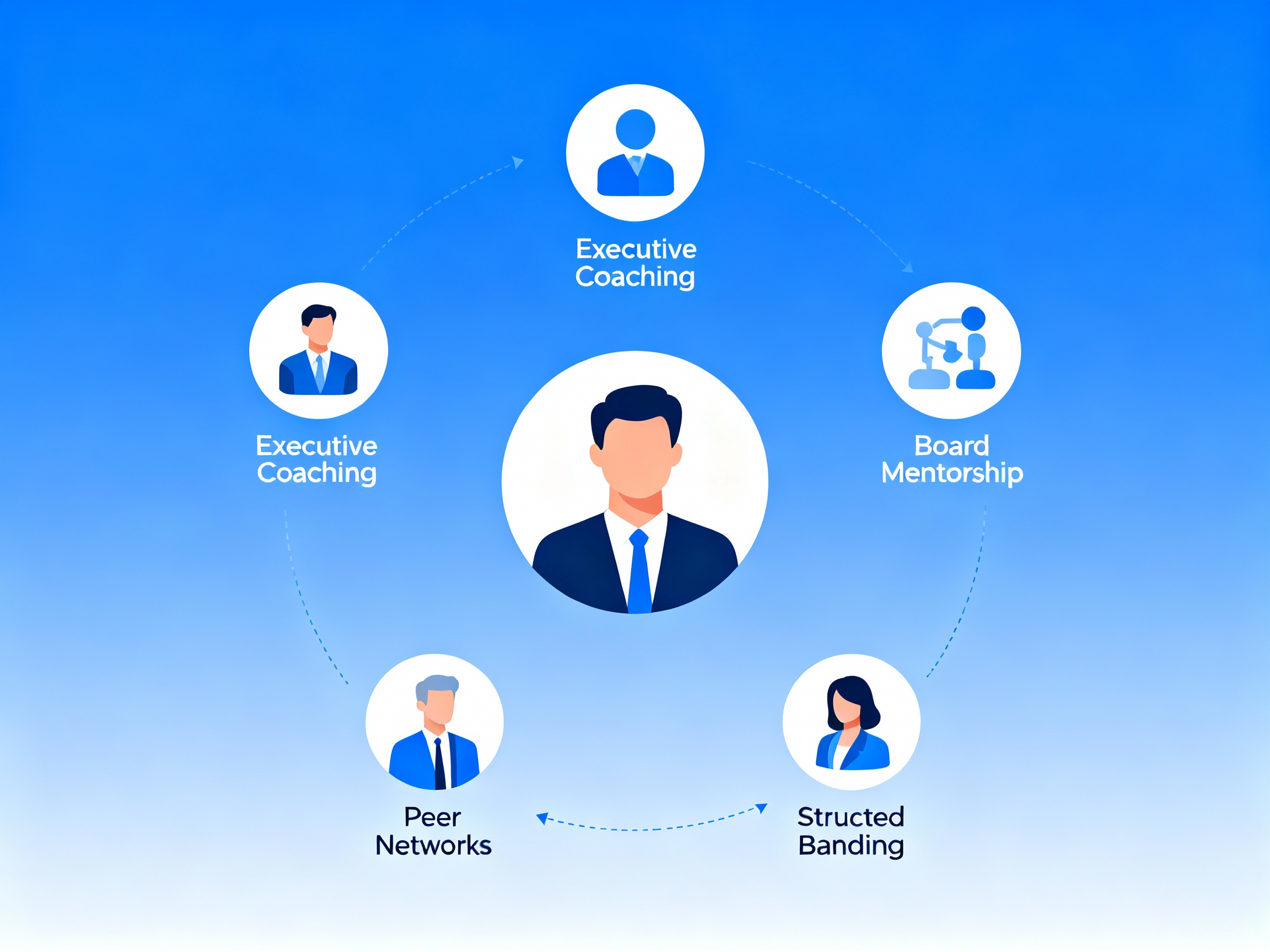
How Boards Can Improve First-Time CEO Success
Given that most appointments will be first-timers, boards should systematically de-risk these transitions:
Structured Onboarding
Don't assume the internal promotion knows everything. Create formal onboarding that covers:
- Board expectations and working norms
- Investor relations protocols
- External stakeholder mapping
- Executive team assessment framework
Chair/Lead Director Support
The board chair or lead independent director should serve as an active advisor during the first 12-18 months. Regular one-on-ones, real-time feedback, and accessible guidance help first-time CEOs navigate unfamiliar territory.
Executive Coaching
CEO coaching has become standard practice for good reason. First-time CEOs benefit from confidential advisors who can provide feedback, perspective, and support that boards cannot appropriately offer.
Peer Networks
Connecting first-time CEOs with peer networks—formal CEO groups, industry forums, or informal connections—provides learning opportunities and reduces the isolation that many first-time CEOs experience.
Realistic Expectations
Set appropriate 100-day and first-year expectations. First-time CEOs need time to establish their leadership, assess their teams, and develop their strategies. Rushing major decisions creates unnecessary risk.
How First-Time CEOs Can Improve Their Own Odds
For executives approaching first-time CEO roles:
Seek Surrogate CEO Experience
Before becoming CEO, look for opportunities that approximate CEO challenges:
- Interim CEO assignments
- Turnaround leadership
- Board service at other companies
- Startup CEO roles (even small ones)
Build Your Advisory Network Early
Don't wait until you're CEO to assemble advisors. Cultivate relationships with experienced CEOs, board members, and executive coaches who can support you when the time comes.
Invest in Board Fluency
Understand governance before you need to navigate it. Study board dynamics, attend governance programs, and seek board observer or director opportunities.
Prepare for External Visibility
Practice investor presentations, media interactions, and public speaking. The CEO spotlight is intense; preparation reduces the learning curve.
Plan Your First 100 Days
Before assuming the role, develop a clear first-100-days plan covering:
- Listening and assessment priorities
- Quick wins to establish momentum
- Relationship-building across stakeholders
- Team evaluation framework
The Succession Planning Implication
The first-time CEO paradox has clear implications for succession planning:
Develop Multiple Candidates
Given supply constraints for experienced CEOs, internal development is essential. Boards should have 2-3 viable internal candidates developing at any time.
Create CEO-Like Experiences
Give potential successors experiences that approximate CEO challenges: board presentations, investor meetings, crisis leadership, external visibility.
Accept the Trade-Off
Boards must decide their risk tolerance. Experienced external CEOs offer lower role-specific risk but higher cultural and fit risk. Internal first-timers offer lower cultural risk but higher role-specific risk. Neither option is risk-free.
Plan for Support
When promoting first-time CEOs, plan the support infrastructure before the announcement. Coaching, board support, and onboarding programs should be ready to deploy.
The Path Forward
2024 was a record year for CEO turnover—and 2025 continues the pattern. Most of these transitions will involve first-time CEOs, not because boards prefer them, but because the math of executive markets leaves few alternatives.
For boards, the imperative is clear: stop hoping for experienced CEO candidates and start building the infrastructure to make first-time CEOs successful. The organizations that master first-time CEO transitions will have sustainable competitive advantage in an era of leadership volatility.
For aspiring CEOs, the message is equally clear: prior CEO experience dramatically improves your odds—but most executives will get their first CEO role without it. Prepare accordingly.
---
Managing a first-time CEO transition? [Contact GracePeak](/contact) to discuss how we help boards de-risk leadership transitions and set new CEOs up for success.